

In the realm of film, Director and Producer Paul Dudbridge is carving out a niche that blends horror, period drama, and psychological suspense. Best known for the acclaimed “Horizon,” Dudbridge’s recent film, “Frankenstein: Legacy,” takes a gritty approach to the classic tale. Set against the backdrop of 1875 England, the film explores themes of obsession, morality, and the consequences of bringing the dead back to life. With a standout cast and a knack for crafting unsettling narratives, Dudbridge joined us to discuss the inspirations and choices that shape his distinctive cinematic style.
‘Frankenstein: Legacy’ takes a unique approach to the classic Frankenstein tale. What inspired you to reimagine this iconic story, and how did you decide on the particular twists and turns in the narrative?
The original script I got sent when I was offered the job wasn’t really to my liking and I didn’t think I could do much with it. I asked the Execs how tied they were to that draft and if they’d let me pitch an alternative story and they did, which I was very pleased about. I worked backwards from asking “If all good drama is conflict, what’s a good source of possible conflict which everyone can relate to one way or another?”, and the answer is family. So, I pitched this the idea about a female scientist trying to find a cure for her husband’s illness by using Frankenstein’s diary and when he dies, she brings him back and it’s up to her estranged son to go out and find him to bring him down. Jim Griffin, our screenwriter, then fleshed out the story, added more characters, tweaked relationships, and layered the themes we wanted to cover such as loss, grief, differing social classes, and ask the question, “what constitutes a soul?”.
The film is set in 1875 England and follows Millicent Browning’s quest to bring her husband back to life. Can you delve into the challenges of blending period drama with horror elements and how this setting enhances the overall atmosphere of the film?
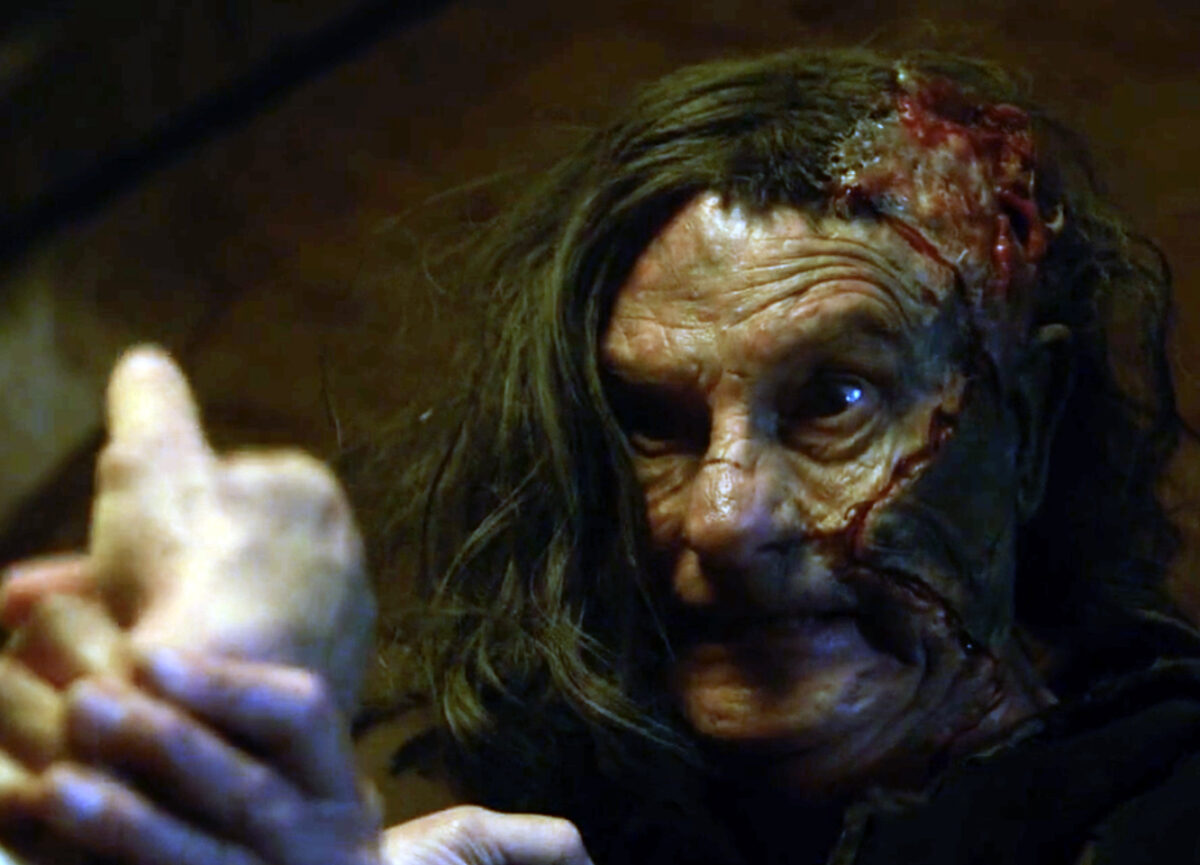
I set out to make a period drama and the horror elements really come from the story itself not just the images. We had to be mindful of what visuals we could get away with as we didn’t want to have an 18 certificate and limit our audience. In the back of my head, I was aiming for a 15 from the BBFC so we can still have a few bloody or gory images without making people turn away, but the real horror comes from the lengths people will go to achieve their goals. The period setting does add to the atmosphere quite nicely as things are automatically fairly dark and spooky from a visual standpoint with the use of candlelight or torches. You are able to play with darkness and shadows quite nicely too. Also, with scientific tools and medical techniques being fairly primitive compared to what there is now, you naturally inherit that harder more grittier feel through the set dressing and props. Like we have a scene where Millicent cuts off her husband’s leg as it’s gangrenous and she uses an old saw she has in the basement.
The cast of ‘Frankenstein: Legacy’ includes renowned actors such as Juliet Aubrey, Philip Martin Brown, and Matt Barber. How did their performances contribute to the emotional depth and suspense of the film?
Each of them had very different and difficult jobs to pull off. Juliet had to play that decent into madness, the obsession with her husband and her refusal to accept loss and grief. Philip had essentially two parts to play; one as a loving husband and father and the other as the creature and whether he is mentally aware or not of his surroundings. Matt had the father son relationship angles to play going from bonding with his loving but very ill father to witnessing the horrors of him coming back from the dead. Matt had a tough job as we shot the scene when he discovers his father halfway through the schedule so a lot of the scenes leading up to that, hadn’t been shot yet.
The synopsis hints at Millicent Browning’s descent into obsession and the moral implications of her actions. How did you navigate the delicate balance between horror and the psychological aspects of the characters to create a chilling and thought-provoking experience for the audience?
They all tie into one really. Her obsession and refusal to accept death means she’ll go to any lengths no matter the consequences, to achieve her goal. The horror aspects and chills come from her physical actions and her complete lack of morality in that process. It was important to me and Jim that we had the psychological undertones to the whole piece to support the horror aspects. We’ve all seen genre movies whether it’s horror or action where you just get shown blood and gore or big explosions without really caring for who’s involved so we wanted to make sure the audience were kept emotionally invested. Jim and I wanted to comment on how grief is the price we pay for loving and Millicent says she made no such bargain.

In the film, Millicent Browning, played by Juliet Aubrey, faces a moral dilemma in her pursuit of bringing her husband back to life. Can you discuss the themes of morality and consequences explored in ‘Frankenstein: Legacy’ and how they resonate with the audience?
If I’m honest I don’t know if she does face too much of a moral dilemma. She’s so blinded by grief and love that any dilemma goes out the window. I think we’d all like the ability to bring loved ones back and see them one last time, but life is about that short period of time when we have our loved ones with us and using that time as best we can. Millicent in refusing to accept that is re-writing the rules and she pays the consequences of that, as does everyone around her.
The film explores not only the physical consequences of reanimating the dead but also the question of what happens when a body lacks a soul. How did you approach these metaphysical and existential themes, and what message or experience are you hoping the audience takes away from the film?
Jim and I discussed it at length. Our touchstones for this movie were Stephen King’s Pet Sematary and Robocop. What happens when you bring someone back and how much of “them” comes back with their body. Memories, wants, intentions, consciousness… In our movie someone is brought back from the dead and they’re not the same as before they died, but everyday people can go through that change without dying. A traumatic event, or shock to the system can change someone’s “soul”. They can be present in body but not the mind. What I what audiences to take away is about acceptance and how grief is part of the happiness we share with our loved ones when they are with us. You can’t have one without the other. We have all made that bargain.
The gothic horror genre often relies on atmospheric settings and visual storytelling. Can you share insights into the cinematography and production design choices made in ‘Frankenstein: Legacy’ to create a visually compelling and immersive experience?
I think design and photography are two of the most important aspects when shooting a film like this. The other is, of course, the script as if you don’t get that right, all the flashy photography and cool design is moot. I wanted the look of the film to be hyper real and with a heavy nod (and influence) to the old Universal horror pictures. Our Production Designer, Matilda Mascall, and I discussed the old horrors and also the design and look of Tim Burton’s films. Sleepy Hollow (1999) was a film we referenced as was Joe Johnston’s The Wolfman (2010) for that exaggerated look and feel of dark and gothic without slipping into gore. So, Millicent’s lab is has a very Universal monster vibe with electricity bouncing off coils and spheres for example. Regarding the cinematography, Director of Photography, Keefa Chan, and I talked about Tim Burton’s films, especially Batman Returns (1992) for its use of colour and camera angles. Occasionally, we went Dutch with the camera or had a dramatic high angle on the corners of the rooftops as the rain comes down, that sort of thing.
The film involves Millicent Browning’s pursuit of Victor Frankenstein’s journals. How did you incorporate elements from Mary Shelley’s original work while putting your own spin on the story, and what challenges did you face in balancing homage with originality?
We pick up where the novel ended with the ship in the Arctic Ocean in 1790. We see Victor Frankenstein, and his journal before then see how it changes hands over the next 100 years, before finally arriving with Millicent Browning. The novel was our jumping off point and then everything after is original. It was nice to see the end of the novel and those characters from the book like Captain Walton before then jumping forward to the time when our story is set and tell our tale in new surroundings with all new characters.
‘Frankenstein: Legacy’ is described as a ‘disturbing take on a twisted tale.’ How did you work with the script and the cast to ensure that the film strikes the right balance between horror and psychological tension without becoming overly gratuitous?
Personally, I don’t care for anything overtly gratuitous so there wasn’t really a danger of that. The psychological tension comes from the audience knowing what is happening and watching the son played by Matt Barber start to piece it all together. I like having what I call the inevitable scene, when at some point later in the movie “something” has to happen, or be revealed, and the audiences are along for that ride watching it all play out. Jim liked to reference the old detective show, Columbo, when the audience knows who the killer is from the start, and we sit back and watch as Columbo figures it all out. Jim had the difficult job of making things hard for the son to work out the mystery. If it’s too easy then the audiences will think him stupid for not putting the pieces together quicker, but if you make it too hard then it becomes all tangled and convoluted and the audience might not see how he figured it out. Jim had to navigate that path delicately.
Finally, what do you hope audiences will remember most about ‘Frankenstein: Legacy’ and the unique perspective it brings to the Frankenstein mythos?
Well, I hope they take something away about family relationships, the struggles of women in the Victorian era with them not being allowed to take examinations or respected in the workplace. Jim also wanted to discuss the different classes and how the son, William Browning, being from money, works side by side with the lower classes and showing the differing attitudes to wealth and privilege. Finally, you obviously want audiences first and foremost to enjoy themselves and have a fun, entertaining ride. And if we can weave other messages and commentary within that, then all the better.


